
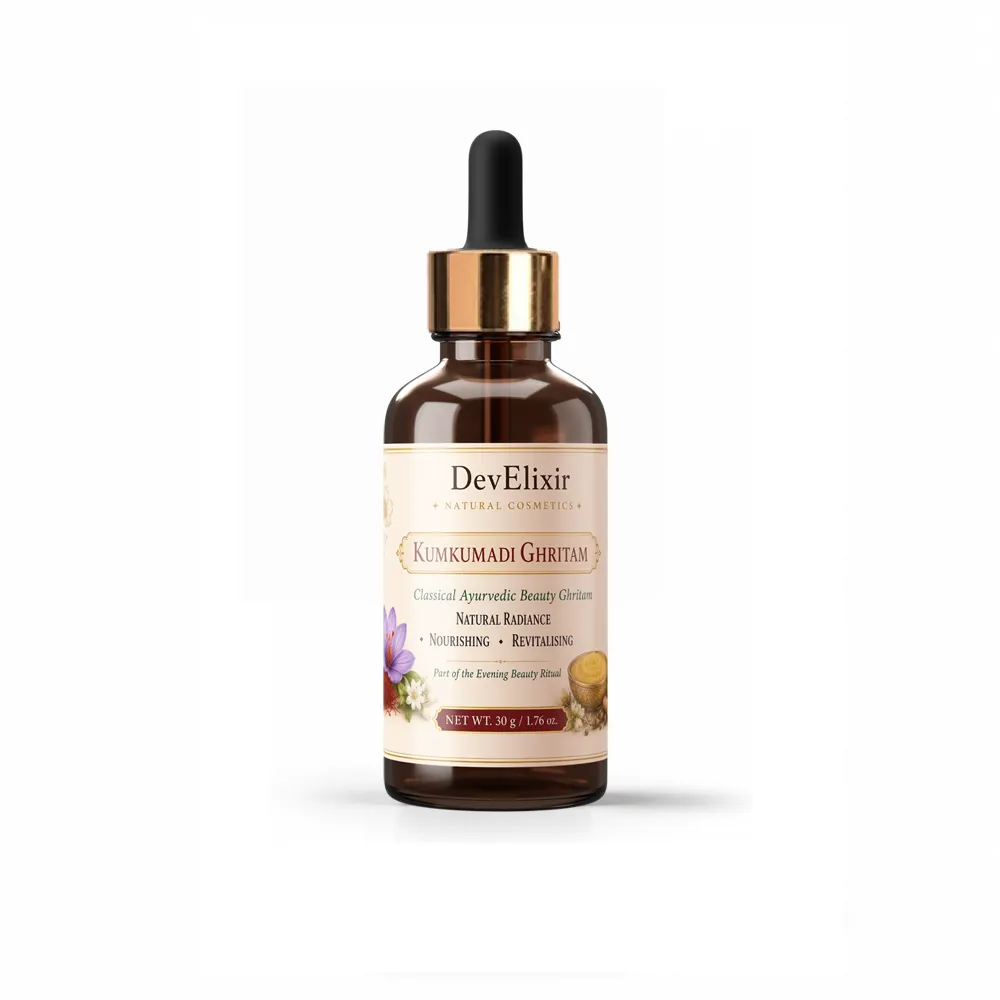
Traditional Blemish-Prone Skin Care • Pigmentation Complexion Care • Rich Botanical-Ghee Nourishment
Inspired by Classical Ayurvedic Night Beauty Rituals
Saffron-Enriched •Traditional Preparation • Evening Beauty Ritual •Small-Batch Crafted
★★★★★ Rooted In Ritual

IS THIS RIGHT FOR YOU?

Beauty is not built in a moment.
It is nurtured through rituals practiced with care.
Begin Your Evening Ritual →
Save money and receive refill reminders before your product finishes.
Available Plans
Select any plan below. This will automatically choose Subscribe & Save.
Kumkumadi Ghrita, inspired by traditional Varnya skincare and the Ayurvedic concepts of acne-like eruptions, dark discoloration, uneven and patchy skin, and dry skin it offers a rich, emollient facial-care experience intended for short-contact application.
When Blemishes, Dark Marks & Uneven Texture Affect Your Skin's Natural Radiance
Are recurring blemishes, lingering dark patches and rough, uneven skin texture making it difficult to feel confident in your complexion?
When your skin experiences frequent breakouts, visible post-blemish marks or persistent dullness, finding the right skincare routine can feel challenging. Harsh cleansing, excessive exfoliation and constantly changing products may leave your skin feeling dry, uncomfortable or more sensitive.
Classical Ayurveda describes various skin concerns through concepts such as Mukhadushika (acne-like eruptions), Nilika (dark discoloration) and Sidhma (traditionally described skin patches). These concepts reflect Ayurveda's distinctive understanding of skin health and the importance of appropriate, individualised care.
Inspired by this heritage, DevElixir Kumkumadi Ghrita brings together saffron, Citraka root, Pippali, Haridra and Daruharidra in a traditionally processed cow-ghee foundation.
Rather than encouraging aggressive skincare, it celebrates a more mindful approach to traditional botanical facial care, with attention to your skin's comfort and individual needs.
DevElixir Kumkumadi Ghritam — Nourishing • Revitalising • Natural Radiance
WHAT THIS IS
Kumkumadi Ghritam is a classical Ayurvedic beauty preparation crafted using pure cow's ghrita and carefully selected botanicals traditionally associated with Ayurveda's philosophy of nourishment through complexion rituals.
Kumkumadi Ghrita uses clarified cow's butter as its primary foundation.
This creates a rich, emollient preparation with a distinctive texture, botanical character and traditional manufacturing heritage.
Prepared with saffron, turmeric, and traditional botanicals, it transforms skincare into an intentional evening practice rooted in care, patience, and consistenc
Classical Ayurvedic formulation Heritage
Inspired by the Ayurvedic formulation traditionally attributed to the Ashvinikumaras, Kumkumadi Ghrita reflects a distinctive approach to botanical facial care. The traditional formulation is associated with Mukhadushika (acne-like eruptions), Nilika (dark skin discoloration) and Sidhma (certain traditionally described skin patches), bringing classical Ayurvedic skincare knowledge into a modern facial-care ritual.
Rich Nourishment with Mūrcchita Go-Ghrita
Traditionally processed cow's ghee forms the nourishing lipid foundation of DevElixir Kumkumadi Ghrita. Valued in Ayurveda as a Sneha Dravya, this rich base provides emollient conditioning and helps soften the feel of dry, rough skin. Its traditional Yogavahi association reflects Ayurvedic formulation principles rather than a demonstrated superiority in modern skin penetration.
Botanical Complexion Care Without an Exfoliating-Acid Formula
Kumkumadi Ghrita offers a traditional ghee-based alternative to conventional exfoliating-acid skincare. Its lipid-rich foundation can provide a conditioning skin feel, while saffron and the other botanicals contribute to its traditional Varnya identity.
The DevElixir Difference — Rooted in Tradition, Crafted with Care
At DevElixir Natural Cosmetics, we value small-batch Ayurvedic craftsmanship, thoughtful ingredient selection and traditional preparation knowledge. Our Kumkumadi Ghrita brings together saffron, Citraka, Pippali, Haridra and Daruharidra in a distinctive cow-ghee foundation, reflecting our commitment to ingredient-focused skincare and meaningful traditional rituals.
Kumkumadi Ghrita has a traditional association with Mukhadushika, an Ayurvedic description of acne-like facial eruptions.
Saffron, Haridra and Daruharidra contribute to the formulation's traditional complexion-care identity.
Nilika describes dark discoloration in Ayurvedic terminology, while Varnya relates to complexion care.
The cow-ghee foundation provides emollient conditioning that may help soften the feel of dry or rough skin.
The combination of saffron, Citraka, Pippali, turmeric and tree turmeric offers an ingredient-focused Ayurvedic skincare experience.
Blemish-Prone Skin Care • Traditional Complexion Care • Rich Emollient Conditioning • Saffron-Led Varnya Heritage
This traditional facial-ghee preparation may interest adults who appreciate Ayurvedic skincare, saffron-based botanicals and rich emollient textures.
People exploring traditional blemish-prone skin-care concepts.
People interested in Ayurvedic approaches to uneven-looking complexion.
Customers who value saffron and classical botanical ingredients.
People who enjoy measured skincare rituals.
Customers seeking a traditional ghee-based preparation rather than a conventional facial oil.
All Skin Types : Suitability requires finished-product assessment.
Combination Skin: Individual tolerance and the rich texture are important.
Oily and Blemish-Prone Skin: Traditional positioning suitability .
Active Acne Skin: Traditional positioning does not suitability for severe active acne.
Sensitive Skin: Patch test recomended
Adult use only, subject to approved safety and label directions. Suitability for teenagers.
Mukhadushika: Acne-like eruptions.
Nilika: Dark skin discoloration.
Sidhma: A traditionally described skin condition involving patches.
Varnya: Complexion-care tradition.
You appreciate traditional Ayurvedic facial-care preparations.
You are interested in saffron-led Varnya traditions.
You prefer a rich cow-ghee foundation.
You want to understand the traditional roles of Citraka and Pippali.
You value ingredient transparency and realistic skincare expectations.
Your skin is sensitive, reactive or easily irritated.
You have active rosacea, eczema or a damaged skin barrier.
You have severe, painful or infected acne.
You are treating diagnosed melasma or another pigmentation disorder.
You are pregnant or breastfeeding.
You are seeking skincare for a child.
You have an allergy to any ingredient.
Varnaka Ghrita: Explore rich ghee-and-beeswax skincare positioned for dry and mature-looking skin.
Shata Dhauta Ghrita: Explore this traditional preparation if available, after reviewing its ingredients and suitability.
Discover your skincare preferences and concerns through DevElixir's educational product finder.
Find Your Suitable Care Ritual
Explore Our Classical Ghee Collection
Our skincare finder provides educational product guidance, not medical diagnosis or treatment.
Traditional botanical heritage. Rich ghee-based texture. Realistic expectations.
Kumkumadi Ghrita is intended to provide a traditional Ayurvedic botanical facial-care experience, with particular emphasis on:
Blemish-Prone Skin Care: Reflecting its traditional association with Mukhadushika.
Uneven Complexion Care: Drawing on saffron-led Varnya traditions and the classical concept of Nilika.
Dry & Rough Skin Conditioning: Using the emollient qualities of cow's ghee to help soften the skin's surface.
Mindful Facial-Care Ritual: Offering an alternative botanical-ghee experience for customers interested in classical Ayurveda.
Kumkumadi Ghrita does not promise to:
Cure hormonal cystic acne or eliminate pimples.
Remove melasma or dissolve pigment deposits overnight,
Permanently reduce sebum production.
Stimulate skin metabolism or remove toxins.
Produce guaranteed results within a fixed period.
Replace medical prescriptions for infectious dermatological disorders.
During Initial Use
You may notice the product's texture, aroma and emollient skin feel. Any immediate sensation of softness is different from a demonstrated improvement in acne or pigmentation.
With Continued Use
Individual experiences may vary according to skin characteristics,
For Blemishes, Dark Marks & Melasma and Flkiness
DevElixir believes that meaningful skincare begins with understanding your ingredients, respecting your skin's individual needs and maintaining realistic expectations.
Kumkumadi Ghrita offers the heritage of saffron, Citraka, Pippali, Haridra and Daruharidra in a distinctive cow-ghee preparation.
Experience the richness of Ayurvedic botanical heritage with informed expectations and a skincare ritual guided by safety, suitability and tradition.
Traditional Ayurvedic Beauty Rituals For Modern Living
Rooted In Tradition. Crafted For You.
COMPLETE YOUR RITUAL
RITUAL COLLECTIONS

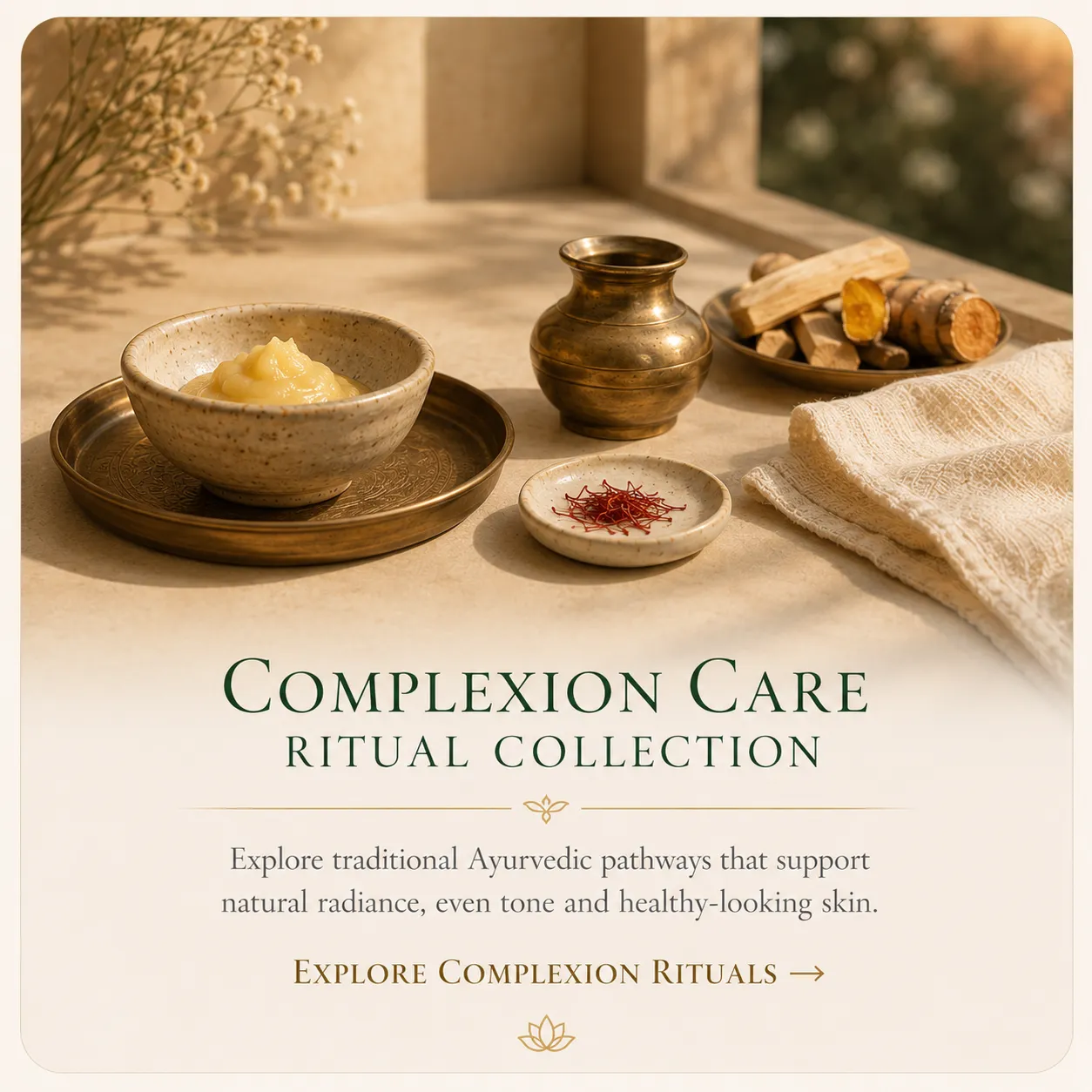
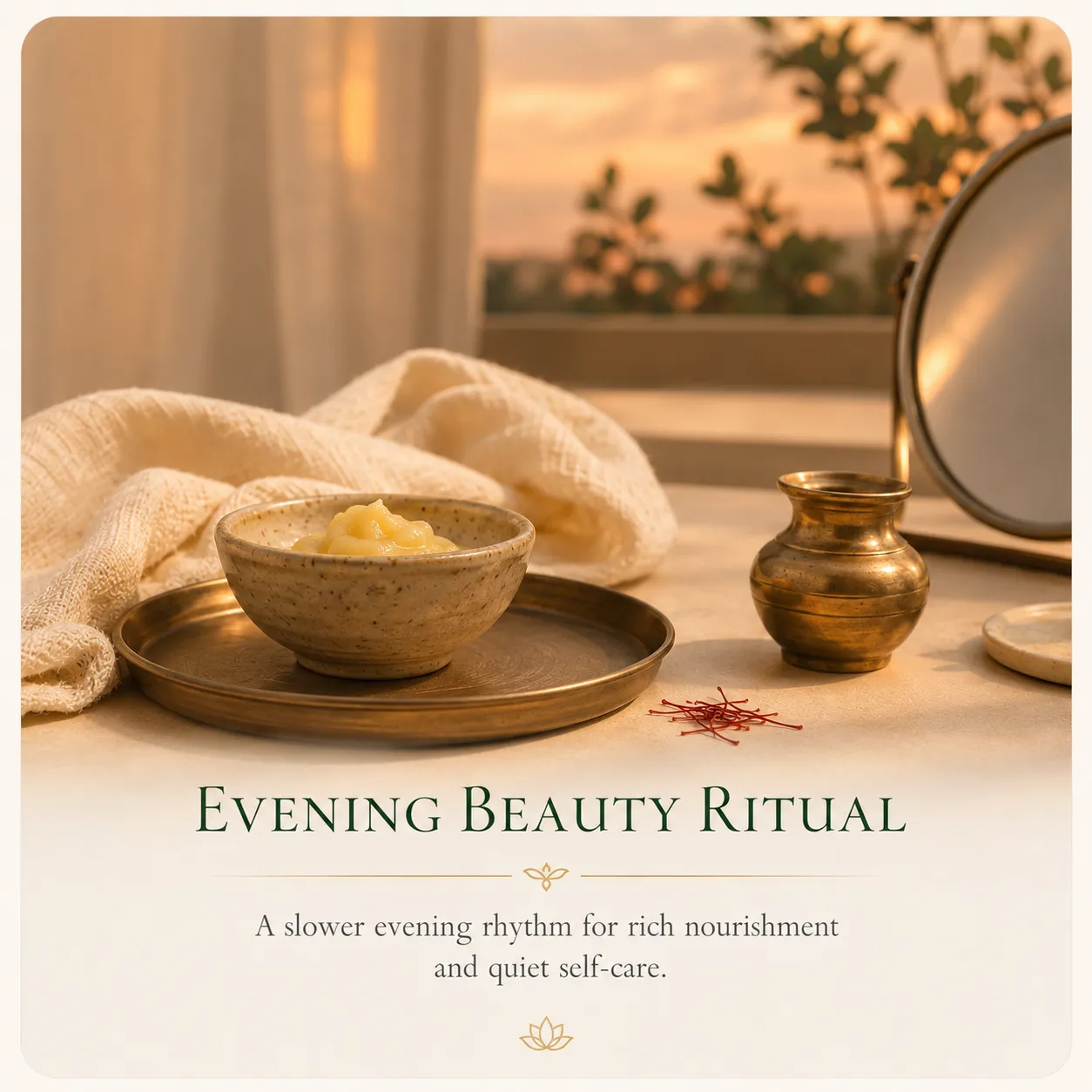
LOOKING FOR SOMETHING SPECIFIC?
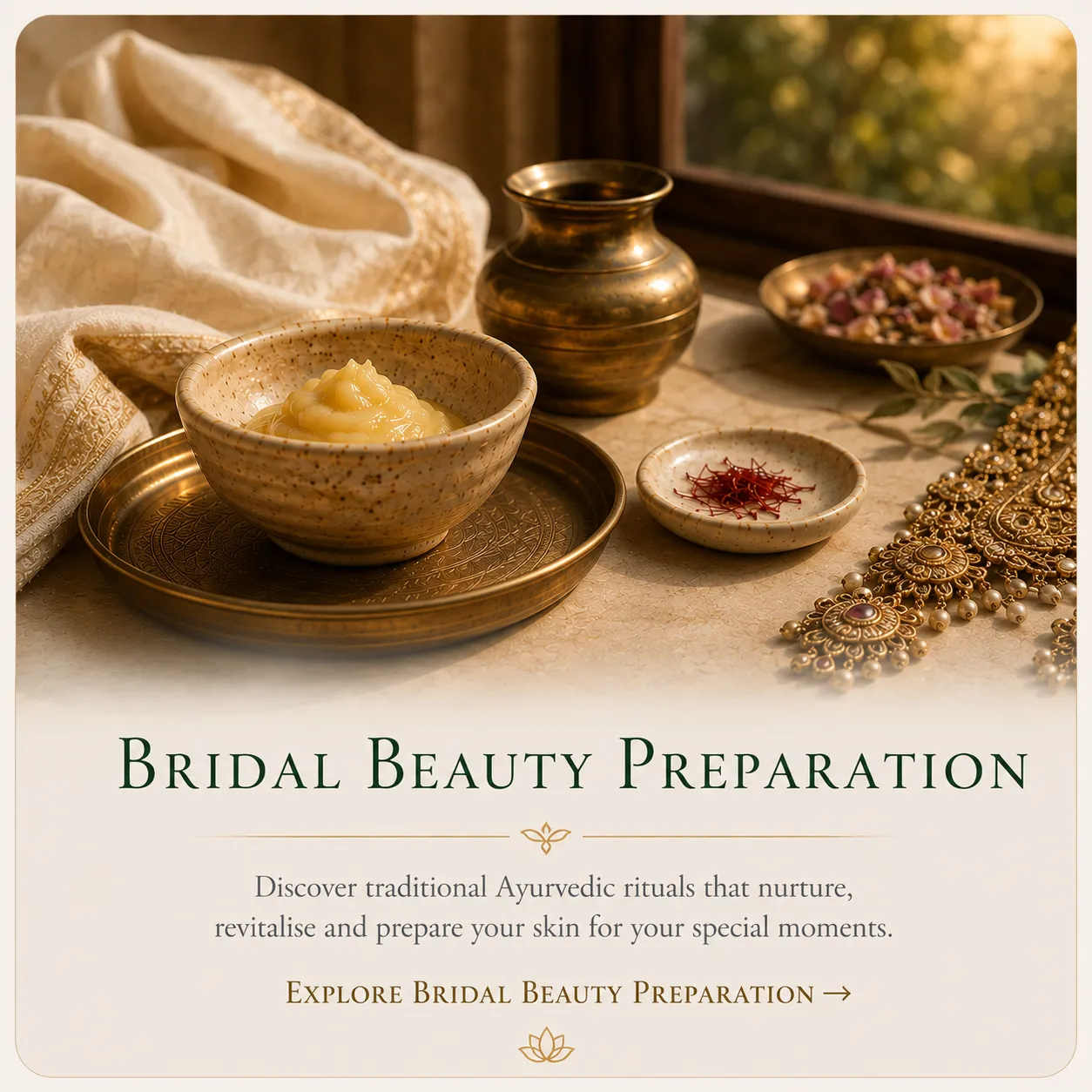
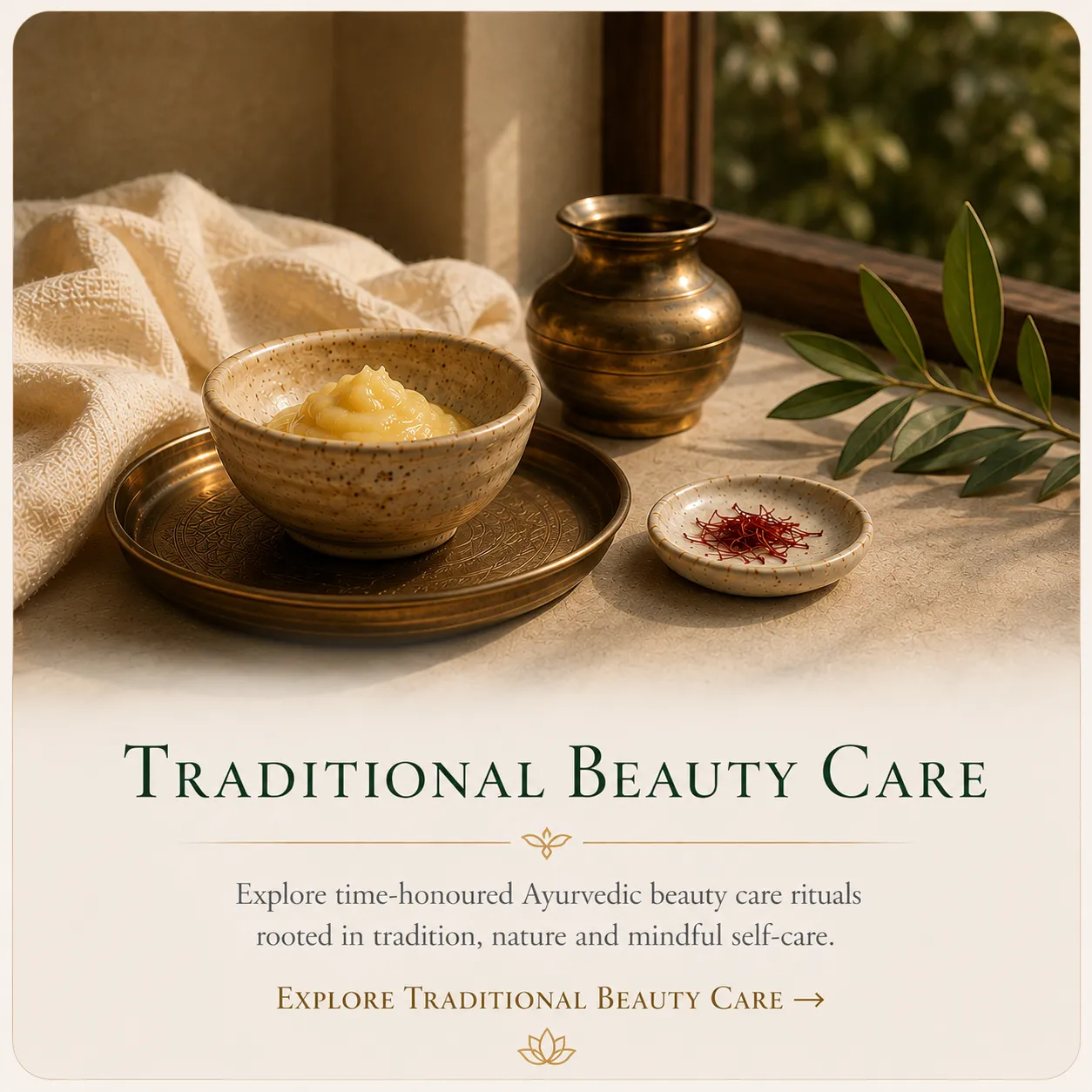
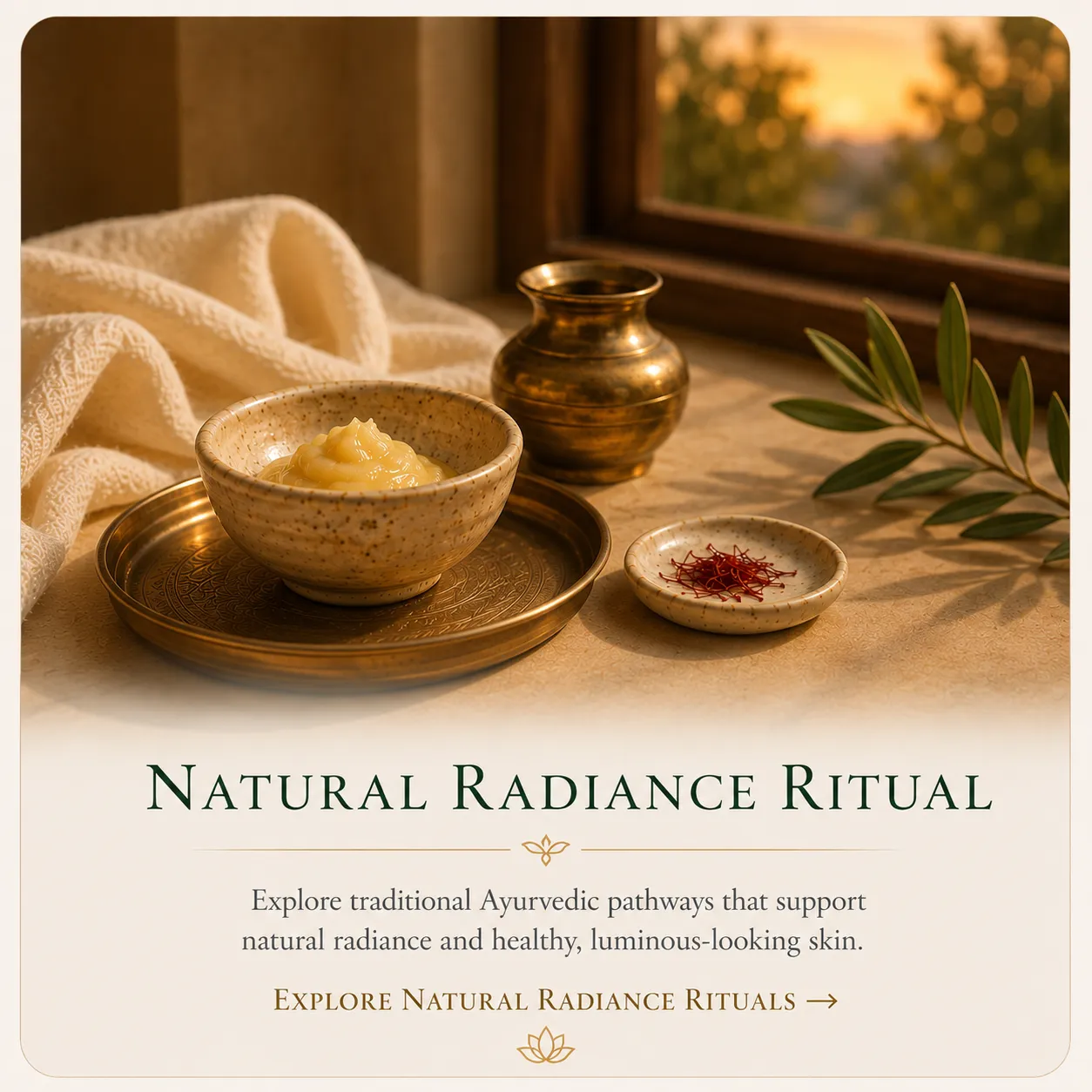
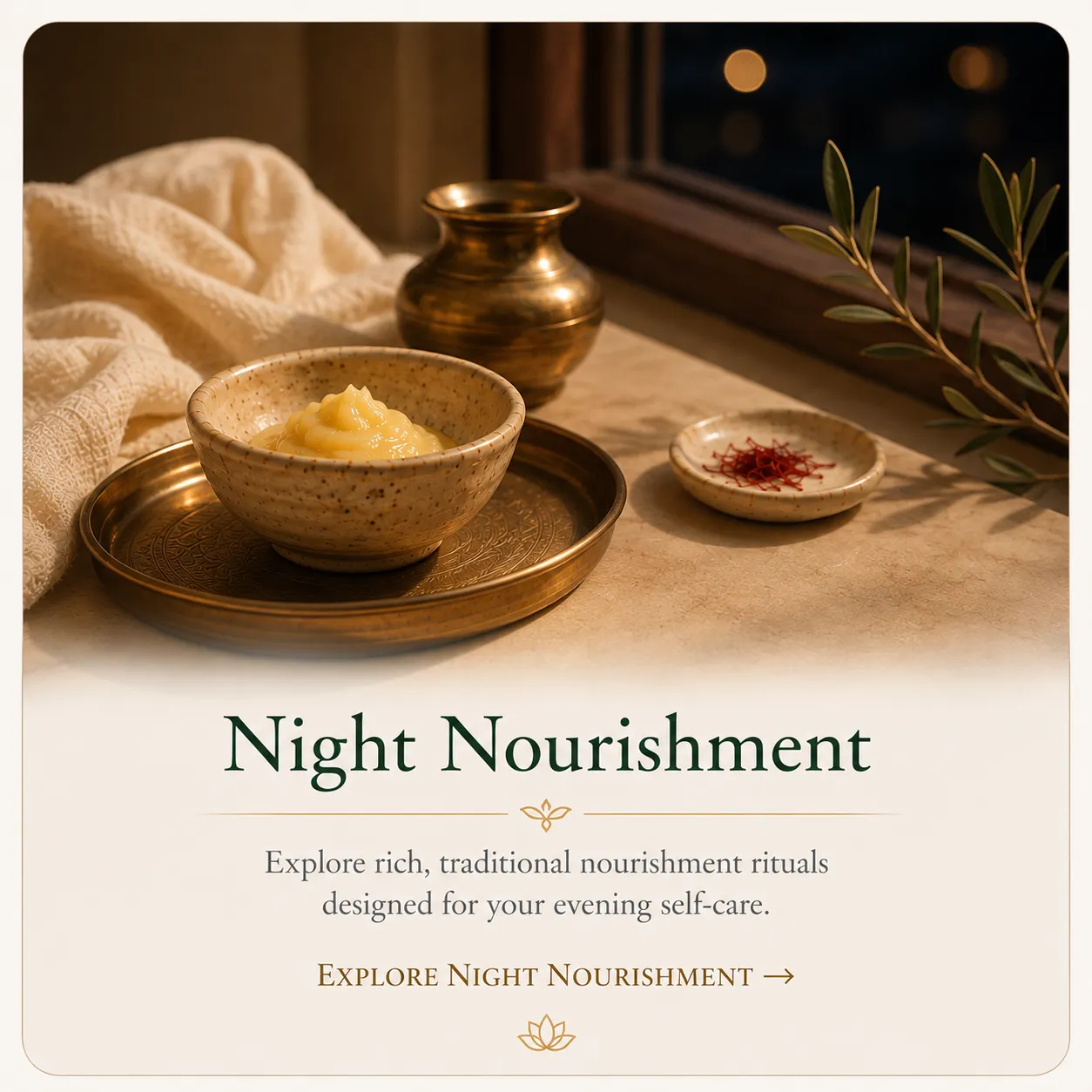
Begin With a Focused Ritual

Six traditional ingredients. One distinctive Ayurvedic facial-ghee preparation.
DevElixir Kumkumadi Ghrita brings together traditionally processed cow's ghee, Citraka root, Pippali, saffron, Haridra and Daruharidra.
Each ingredient contributes its own botanical identity and place within Ayurvedic tradition, creating a formulation that combines a rich ghee foundation with warming herbs and botanicals historically associated with complexion care.
Natural Identity: Clarified butter derived from cow's milk.
Traditional Ayurvedic Identity: Go-Ghrita is valued as a Sneha Dravya (unctuous substance) in Ayurveda. Mūrcchana refers to traditional processing of the ghee before its use in certain preparations.
Role in This Product: Primary lipid foundation and carrier for the botanical ingredients.
Why It Matters: Cow's ghee provides a rich, emollient texture that helps condition and soften the feel of dry, rough skin. It also serves as the lipid medium used during traditional botanical processing.
Its traditional association with Yogavahi should be interpreted as proof that it transports ingredients into deeper skin layers more effectively than other cosmetic oils.
Botanical Name: Plumbago zeylanica
Plant Part: Root
Traditional Ayurvedic Identity: Citraka is recognised for its Ushna (heating), Tikshna (sharp) and Deepana-Pachana (digestive and metabolic) properties in classical Ayurvedic descriptions.
Role in This Product: A distinctive botanical ingredient contributing to the traditional identity of the formulation.
Why It Matters: Citraka differentiates Kumkumadi Ghrita from conventional saffron-based facial oils and reflects the use of traditionally warming botanicals in certain Ayurvedic preparations.
Citraka contains naturally occurring constituents, including plumbagin. Its traditional properties known as that it dissolves pigmentation, removes acne or stimulates skin-cell metabolism.
Botanical Name: Piper longum
Plant Part: Fruit
Traditional Ayurvedic Identity: Pippali is widely recognised in Ayurveda and traditionally associated with Ushna, Deepana and Rasayana concepts.
Role in This Product: A traditional warming botanical that contributes to the formulation's characteristic herbal composition.
Why It Matters: Pippali contains naturally occurring phytochemicals, including piperine, which has been investigated in laboratory research for various biological activities.
These properties of Pippali are known to open skin pores, clear hardened sebum or increases the penetration of other ingredients in the finished Kumkumadi Ghrita.
Botanical Name: Crocus sativus
Plant Part: Stigma
Traditional Ayurvedic Identity: Saffron is associated with Varnya, the Ayurvedic concept of supporting a pleasing, healthy-looking complexion.
Role in This Product: Featured complexion-care botanical and an important part of the preparation's traditional identity.
Why It Matters: Saffron contains naturally occurring compounds such as crocins, crocetin and safranal. These constituents contribute to its distinctive colour, aroma and scientific interest.
Its longstanding place in Ayurvedic beauty traditions makes it a meaningful ingredient in saffron-led facial care. Such products have traditionally been used to fade acne scars or correct pigmentation-related imperfection
Botanical Name: Curcuma longa
Plant Part: Rhizome
Traditional Ayurvedic Identity: Haridra is a widely used Ayurvedic botanical associated with traditional skin-care practices.
Role in This Product: A complementary botanical contributing to the formulation's traditional complexion-care identity.
Why It Matters: Turmeric contains naturally occurring curcuminoids and aromatic compounds that have attracted scientific interest for their antioxidant and other biological properties.
The presence of turmeric helps to treat acne, prevents bacterial growth or reduces skin inflammation.
Botanical Name: Berberis aristata
Plant Part: Stem
Traditional Ayurvedic Identity: Daruharidra is a recognised Ayurvedic botanical used in various traditional preparations.
Role in This Product: A distinctive botanical paired with Haridra in the traditional formulation.
Why It Matters: Daruharidra contains naturally occurring alkaloids, including berberine, which have been studied for biological activities.
Although Haridra and Daruharidra are both sometimes called turmeric, they are botanically different plants with different chemical compositions.
Traditionally their inclusion interpreted as proof that the finished preparation clears infection blemishes or treats acne.
Mūrcchita Go-Ghrita (Traditionally Processed Cow's Clarified Butter), Plumbago zeylanica (Citraka) Root Decoction, Crocus sativus (Kesara / Saffron) Stigma Powder, Curcuma longa (Haridra / Turmeric) Rhizome Powder, Berberis aristata (Daruharidra / Tree Turmeric) Stem Powder, Piper longum (Pippali / Long Pepper) Fruit Powder.
DevElixir Kumkumadi Ghrita is described as a six-ingredient Ayurvedic botanical-ghee formulation.
Its distinctive composition combines a traditional cow-ghee foundation with five recognised Ayurvedic botanicals.
Contains: Cow's milk-derived clarified butter.
Ingredient Philosophy: Traditional botanical identity, thoughtful formulation and transparency about the role of each ingredient.
Experience the distinctive character of a traditional Ayurvedic herbal-ghee preparation, where a rich lipid foundation meets saffron and warming botanicals.
Kumkumadi Ghrita may display a yellow-to-golden appearance influenced by its ghee foundation and botanical ingredients.
Natural variation in appearance may occur between batches.
Saffron and turmeric contribute to the formulation's botanical colour character.
The exact finished colour depends on the ingredients, processing conditions and batch characteristics.
Unlike a conventional lightweight facial serum, Kumkumadi Ghrita has a clarified-butter foundation.
Its consistency may vary with temperature, becoming softer or more fluid in warmer conditions and firmer in cooler surroundings.
When appropriately softened, the preparation can spread over the skin with a rich, lubricating feel.
The preparation may have a characteristic herbal aroma influenced by the ghee foundation, saffron, Citraka, Pippali and other botanicals.
Its natural scent may differ from that of a conventional perfumed facial cosmetic.
When applied according to the product directions, Kumkumadi Ghrita provides the characteristic glide of an emollient ghee-based preparation.
Following appropriate removal, the ghee foundation may leave the skin feeling softer and conditioned.
The amount of residual oiliness will depend on the quantity applied, the removal method and individual skin characteristics.
A Traditional Ghee Foundation: Uses cow's clarified butter rather than a conventional plant-oil serum base.
A Distinctive Botanical Combination: Features Citraka, Pippali, saffron, Haridra and Daruharidra.
An Ayurvedic Heritage: Reflects traditional botanical formulation concepts and saffron-led complexion care.
A Measured Facial-Care Ritual: Intended for controlled application according to approved product directions.
Closing Line:
Discover the richness of traditional Go-Ghrita, the botanical character of Citraka and Pippali, and the timeless heritage of saffron in one distinctive Ayurvedic facial-care preparation.
Ancient Ayurvedic botanical wisdom. A mindful approach to modern facial care.
Kumkumadi Ghrita is traditionally associated with this heritage and with Ayurvedic descriptions of Mukhadushika (acne-like eruptions), Nilika (dark skin discoloration) and Sidhma (certain traditionally described skin patches).
These classical concepts reflect Ayurveda's understanding of skin conditions through Dosha, Guna and individual constitution.
Modern lifestyles can introduce different skincare challenges. Environmental exposure, excessive cleansing, unsuitable cosmetic products and inconsistent routines may contribute to skin discomfort, dryness or a dull-looking complexion.
DevElixir Kumkumadi Ghrita brings together saffron, Citraka, Pippali, Haridra and Daruharidra in a traditional Mūrcchita Go-Ghrita foundation.
Its ritual honours the Ayurvedic practice of applying botanical preparations thoughtfully, with attention to skin condition, appropriate quantity and individual tolerance.
Cleanse & Prepare → Soften & Dispense → Apply Gently → Remove & Replenish
1. Cleanse & Prepare — Begin with Clean Skin
A gentle cleansing step removes surface dirt, excess oil and daily impurities without unnecessary scrubbing.
2. Soften & Dispense — Prepare the Ghrita
As a clarified-butter preparation, Kumkumadi Ghrita may become firmer in cooler temperatures and softer in warmer conditions.
Its texture can be softened naturally without heating the preparation excessively.
3. Apply Gently — Honour the Botanical Preparation
Traditional Abhyanga and Sneha concepts emphasise the role of oil-based preparations in Ayurvedic care.
For this facial formulation, gentle application is preferable to vigorous massage.
4. Remove & Replenish — Complete the Ritual
After the contact period specified in the approved directions, remove the preparation gently and complete your routine with suitable moisturising care.
Mukhadushika: A classical description of acne-like facial eruptions.
Nilika: An Ayurvedic term associated with dark skin discoloration.
Sidhma: A traditionally described skin disorder involving characteristic patches; it should not be equated with ordinary dry skin.
Varnya: An Ayurvedic concept associated with complexion care and a healthy-looking appearance.
Seasonal & Lifestyle Considerations
Ayurveda places importance on Ritucharya, adapting daily routines to seasonal conditions.
During warm or humid weather, avoid excessive layering of rich products if your skin feels uncomfortable or congested.
During cooler or drier weather, maintain gentle cleansing and appropriate moisturising.
Rediscover traditional Ayurvedic botanical care through a thoughtful ritual that respects your skin's individual needs.
Step 1 — Cleanse Your Face
Gently cleanse your face with a mild cleanser suitable for your skin type.
Pat dry using a clean, soft towel.
Avoid applying Kumkumadi Ghrita immediately after exfoliation, shaving, chemical peels or other procedures that may leave skin more sensitive.
Step 2 — Prepare a Small Amount
Dispense only the quantity specified in the product's approved directions.
If the ghrita has become firm because of cooler temperatures, allow it to soften naturally.
Avoid excessive heating or combining it with other active skincare ingredients.
Step 3 — Apply Gently
Apply according to the approved directions, avoiding the eyes, lips, nostrils and other sensitive areas.
Do not massage vigorously over active pimples that are broken, inflamed or painful.
Step 4 — Observe the Approved Contact Time
Keep the preparation on the skin only for the contact duration established for the finished product.
Do not extend the application period in an attempt to increase its effects.
Burning, stinging or pronounced warmth should not be considered normal or beneficial.
Step 5 — Remove Gently
Remove according to the product instructions, using a suitable gentle cleansing method.
Avoid hot water, abrasive cloths or repeated rubbing.
If discomfort occurs, remove the preparation immediately and discontinue use.
After removing the preparation:
Use a simple moisturiser suitable for your skin type.
Avoid layering strong exfoliating acids or irritating treatments immediately afterward.
Maintain daily broad-spectrum sunscreen protection, preferably SPF 30 or higher.
Seek professional guidance for persistent acne, melasma, unusual pigmentation or scaling skin conditions.
For external use only.
Do not apply to broken, inflamed, infected or irritated skin.
Avoid the eyes, lips and mucous membranes.
Do not apply directly to open pimples, pustules or wounds.
Avoid use immediately after exfoliation, shaving or cosmetic procedures.
Do not use on infants or children.
Do not use if you have a known allergy to dairy-derived ingredients or any listed botanical.
Consult a qualified healthcare professional before use during pregnancy or breastfeeding.
Discontinue immediately if burning, stinging, redness, swelling, itching or other irritation occurs.
Complete Your Ritual
Discover more about the traditional ingredients, preparation philosophy and appropriate skincare practices associated with DevElixir Kumkumadi Ghrita.
View Complete Ritual Guide
Rooted in Tradition. Crafted for You.
Respect for Ayurvedic Heritage
We celebrate traditional Ayurvedic knowledge and the beauty of time-honoured skincare practices.
Thoughtful Botanical Selection
Our philosophy places importance on botanical identity and appropriate raw-material selection.
Traditional Preparation Knowledge
Kumkumadi Ghritam reflects the specialised Ayurvedic tradition of Ghrita-based preparations.
Small-Batch Attention
DevElixir values attentive production and the distinctive character of traditional botanical formulations.
Customer Education
Our Product Library, Ingredient Encyclopedia and Ritual Guides help customers understand the products they choose.
Rooted in Tradition. Crafted for You.
Kumkumadi Ghrita is traditionally associated with Ayurvedic skin-care concepts such as Mukhadushika (acne-like eruptions), Nilika (dark discoloration) and Sidhma (certain traditionally described skin patches).
Its intended positioning is traditional blemish-prone skin care, uneven complexion care and rich emollient conditioning.
Kumkumadi Ghrita uses traditionally processed cow's clarified butter, whereas Kumkumadi Tailam is an oil-based Ayurvedic preparation.
The exact composition of Kumkumadi Tailam varies according to the classical reference and manufacturer. Neither preparation should be assumed more effective solely because of its base.