
Nalpamaradi Kera Tailam
A Classical Ayurvedic Coconut-Oil Pre-Bath Ritual
Radiance • Complexion Care • Skin Clarity
Inspired by Traditional Kerala Ayurvedic Beauty Rituals
Nalpamaradi Kera Tailam
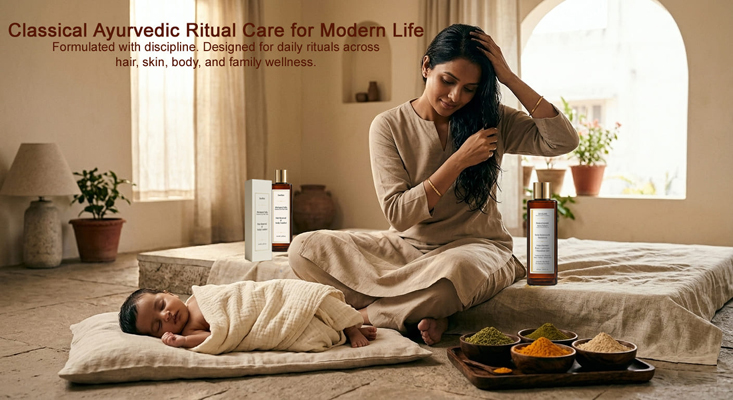
Nalpamaradi Kera Tailam is one of those Ayurvedic preparations that many families recognise not only by name, but by memory: the golden colour of the oil, the familiar herbal aroma, the slow massage before a bath, and the feeling that self-care does not have to be complicated.
The word Nalpamara refers to a traditional group of four Ficus trees. Kera refers to coconut. Together, they give this Kerala preparation its distinctive identity.
At DevElixir, we do not want to present Nalpamaradi Kera Tailam as a fashionable 'glow oil'. We see it as a classical preparation with a living ritual around it. Its place is before the bath: apply, massage, allow the ritual a little time, then bathe.
That simple sequence is what we want to preserve — while presenting the preparation responsibly for today's customer.
OIL → MASSAGE → REST → BATHE
Product Snapshot
|
Product Name |
Nalpamaradi Kera Tailam |
|
Product Type |
Classical Ayurvedic Herbal Oil |
|
Primary Category |
Skin Care |
|
Ritual Category |
Pre-Bath Tailam Ritual |
|
Tradition |
Kerala Ayurveda |
|
Classical Reference |
Sahasrayogam — Taila Prakarana |
|
Recognised Reference |
Ayurvedic Formulary of India (AFI) |
|
Base Oil |
Coconut Oil / Kera Taila |
|
Core Botanical Identity |
Nalpamara — the traditional group of four Ficus barks |
|
Approved Positioning |
Radiance • Complexion Care • Skin Clarity |
|
Ritual Timing |
Pre-bath |
|
DevElixir Role |
Classical Kerala beauty and family-care ritual oil |
|
Heritage Inspiration |
Traditional Kerala Ayurvedic beauty rituals |
The Story Behind the Product
Kerala has a long relationship with medicated oils. Coconut grows naturally into the landscape and into everyday life, while Ayurveda developed its own disciplined methods for preparing herbal oils.
Nalpamaradi Kera Tailam sits at the meeting point of those two traditions. It is not simply coconut oil with herbs added to it. Its identity comes from a classical formulation tradition, a specific botanical family and a pre-bath way of use.
Over generations, Nalpamaradi preparations became associated with different moments of family life — personal beauty care, bridal preparation, mother-care traditions and household oil rituals. Practices were not identical in every family, and we should not pretend they were. What remained familiar was the habit of making time for oil application before bathing.
For us, that is the most useful way to tell its story. The product is important, but the ritual gives the product meaning.
Classical Ayurvedic Background
A Kerala Ayurvedic Oil Tradition
Nalpamaradi Tailam is documented within Kerala's Ayurvedic formulation tradition, including Sahasrayogam. The formulation is also represented within the Ayurvedic Formulary of India. These references are important because they place Nalpamaradi within a recognised formulation lineage rather than a newly invented cosmetic trend.
The name Nalpamara traditionally refers to four Ficus trees: Vata (Ficus benghalensis), Ashwattha (Ficus religiosa), Plaksha (Ficus lacor) and Udumbara (Ficus racemosa). This group forms the defining botanical identity behind the name.
In the Kera version, coconut oil gives the preparation its Kerala character. Rather than turning that into an exaggerated claim, we prefer to understand it as part of the formulation's regional identity and traditional use context.
Ayurvedic discussions of skin care often use concepts such as Twak Paricharya and Varnya. On this website we present those terms as part of Ayurvedic knowledge and beauty tradition — not as promises to medically change or treat the skin.
The Four Nalpamara Trees
Vata — Ficus benghalensis (Banyan)
Ashwattha — Ficus religiosa (Sacred Peepal)
Plaksha — Ficus lacor (White Fig)
Udumbara — Ficus racemosa (Cluster Fig)
These four trees are presented here to explain the classical identity of Nalpamara. Their exact proportions and DevElixir's technical preparation details are not part of the public Product Library.
Traditional Uses & Living Traditions
Traditional use is best understood as context, not as a guarantee of a particular result. Nalpamaradi Kera Tailam has been discussed and used within Kerala beauty routines, pre-bath oiling, bridal preparation, family self-care and seasonal household practices.
In many homes, oil application was not a separate luxury treatment. It belonged to the rhythm of bathing. A person applied the oil, massaged it over the body, allowed some time before bathing, and then washed.
Bridal and festival preparation often gave families a reason to become more consistent with these routines. Mother-care and baby-care traditions also included oiling practices, although suitability and exact use should always follow the current product label and appropriate professional guidance where needed.
What has lasted is not one universal household recipe. It is the idea that beauty and care can be built through a simple, repeated ritual.
Botanical Composition
The public Product Library should help customers recognise the botanical character of the preparation without turning the page into a reverse-engineering guide. The approved product label remains the authority for the complete ingredient declaration.
Vata
Ficus benghalensis
One of the four Nalpamara trees that gives the formulation its classical identity.
Ashwattha
Ficus religiosa
A member of the traditional Nalpamara group and a deeply familiar tree in Indian cultural heritage.
Plaksha
Ficus lacor
One of the four classical Ficus trees represented in Nalpamara.
Udumbara
Ficus racemosa
The fourth member of the Nalpamara group and an established Ayurvedic botanical.
Haridra
Curcuma longa
Turmeric has a long place in Indian and Ayurvedic beauty traditions and contributes to the recognisable golden character of many herbal preparations.
Manjistha
Rubia cordifolia
A classical Ayurvedic botanical frequently encountered in traditional skin-care discussions.
Chandana
Santalum album
Sandalwood is valued in traditional aromatic and beauty preparations.
Triphala
Traditional three-fruit combination
A classical Ayurvedic combination of Haritaki, Bibhitaki and Amalaki.
Usheera
Chrysopogon zizanioides
Vetiver is an aromatic root with a long history in warm-climate traditional care.
Kera Taila
Cocos nucifera
Coconut oil is the defining base of the Kera version and part of its Kerala identity.
We intentionally do not publish ingredient percentages, processing sequence, temperatures, endpoints, raw-material grades, supplier information or internal specifications.
The DevElixir Difference
We believe classical identity deserves more than attractive packaging. When we work with an Ayurvedic preparation, we pay attention to whether the botanicals are correctly identified, whether the raw materials are appropriate for the preparation, and whether the finished batch remains consistent with our quality expectations.
Small-batch preparation is part of how we work. It gives us closer oversight of the materials and the finished oil without turning our internal process into a marketing spectacle.
We also separate education from secrecy. We are happy to explain what Nalpamaradi is, where the tradition comes from, which botanicals define its identity and how the customer should use it. The exact formulation and manufacturing know-how remain within DevElixir.
Preparation Philosophy
Inspired by the Discipline of Sneha Kalpana
Classical Ayurvedic medicated oils are not simply made by dropping herbs into a bottle of oil. Traditional Sneha Kalpana describes a disciplined approach to bringing an oil medium and botanical materials together through controlled preparation.
For a customer, the important point is that the finished oil represents a prepared Ayurvedic formulation — not a casual kitchen infusion.
At DevElixir, we preserve the principle of careful herbal-oil preparation while working within our approved manufacturing and quality system.
We deliberately do not publish our batch ratios, processing times, temperatures, endpoints, sequence of additions, supplier details or internal quality specifications. Those belong to the craft and control system behind the product, not to the customer-facing website.
Sensory Experience
Colour
Nalpamaradi Kera Tailam has a naturally golden to yellow herbal character. Botanical materials can show modest natural variation from batch to batch within quality standards.
Aroma
Expect a traditional herbal-oil aroma rather than a perfumed cosmetic fragrance. Coconut, turmeric, woods and other botanicals contribute to the overall sensory character.
Texture
The coconut-oil base gives the preparation a smooth massage character. Temperature can naturally affect the feel and fluidity of coconut-based oils.
The Experience
The oil is meant to invite a slower pre-bath moment: spread, massage, pause and then bathe. The waiting time is part of the ritual rather than an inconvenience.
The Traditional Pre-Bath Ritual
The simplest way to understand Nalpamaradi Kera Tailam is through its place in the bathing sequence.
APPLY → MASSAGE → REST → BATHE
Apply the appropriate quantity over the intended skin area according to the current product directions.
Massage gently rather than treating application as a hurried coating step.
Allow the oil to remain for the recommended pre-bath period. DevElixir's current ritual guidance uses approximately 1–2 hours before bathing, or another approved timing stated on the product label/QR guide.
Bathe and cleanse comfortably. Because turmeric-rich oils may transfer colour, take care with pale fabrics and towels.
For babies, pregnancy, postpartum use, sensitive skin or an existing skin concern, follow the product label and seek qualified professional guidance where appropriate.
Who Commonly Uses It?
Adults who enjoy traditional pre-bath care
For people who prefer a ritual-based body-care routine rather than a leave-on cosmetic oil.
Bridal self-care
Nalpamaradi has a strong cultural association with traditional beauty preparation. DevElixir presents this as a consistent pre-bath ritual, not an instant-transformation promise.
Mothers and family-care traditions
Oil application appears in many family and postpartum traditions. Modern use should remain comfortable, informed and appropriate to the individual.
Families familiar with Kerala Ayurveda
For customers who recognise the preparation from home traditions and want a carefully presented classical product.
Customers exploring Ayurveda
The ritual is simple enough to become an accessible introduction to traditional oil-based self-care.
Frequently Asked Questions
What is Nalpamaradi Kera Tailam?
A classical Ayurvedic coconut-oil-based herbal preparation associated with Kerala skin-care and pre-bath traditions.
What does Nalpamara mean?
It refers to the traditional group of four Ficus trees that gives the formulation its name and core botanical identity.
What does Kera mean?
Kera refers to coconut; in this version coconut oil is the base.
Is it a classical formulation?
Nalpamaradi Tailam belongs to the classical Kerala Ayurvedic formulation tradition and is documented in references including Sahasrayogam; the formulation is also represented in the Ayurvedic Formulary of India.
When is it used?
DevElixir positions it primarily as a pre-bath oil ritual. Follow the current label or Product-to-Ritual guide for exact directions.
Is it a leave-on body oil?
Its primary DevElixir role is pre-bath use rather than an all-day leave-on cosmetic oil.
Why is the oil yellow or golden?
The colour reflects the botanical preparation, including turmeric. Natural variation can occur within quality standards.
Can it stain clothes?
Turmeric-rich herbal oils can transfer colour to light fabrics, so use care around clothing, towels and bedding.
Is it only for women?
No. The preparation can be understood as a family skin-care ritual; individual suitability and directions still matter.
Why is it associated with bridal care?
Traditional beauty preparation often involved consistent oiling and bathing rituals before important occasions. We present that heritage without promising instant or medical results.
Is it traditionally used in baby care?
The coconut-oil version appears in Kerala family baby-care traditions. For an infant, use only according to the approved product directions and seek professional guidance if there are skin or health concerns.
Can it be used after sun exposure?
DevElixir may place it within a Sun-Exposed care pathway as a traditional pre-bath ritual. It is not a sunscreen and should not be presented as treatment for sunburn or skin injury.
How long should I leave it on?
Follow the current DevElixir label/QR guide. The working ritual guidance is approximately 1–2 hours before bathing unless the approved label states otherwise.
Why does coconut oil sometimes thicken?
Coconut oil naturally changes consistency with temperature. This does not by itself indicate that the product has spoiled.
Where can I learn about the ingredients?
Use the DevElixir Ingredient Encyclopedia for individual botanical profiles.
Where can I learn the exact ritual?
Use the Nalpamaradi Kera Tailam Product-to-Ritual / QR Guide.
Related Ritual Pathways
Nalpamaradi Kera Tailam can appear in several DevElixir journeys, but the oil should keep one clear identity: a pre-bath Tailam ritual.
Radiance Complexion Ritual
Nalpamaradi Kera Tailam forms the PRE-BATH stage before separate weekly Lepa, floral refresh and evening nourishment moments.
Essential / Complete Complexion Journey
It can serve as the pre-bath upgrade within a wider complexion-care pathway.
Bridal Ritual Pathway
Its traditional beauty heritage makes it suitable for a structured bridal self-care journey when claims remain cosmetic and ritual-based.
New Mother Body Care
Where appropriate, Nalpamaradi can sit alongside other distinct mother-care preparations without implying that all products are layered together.
Baby & Family Ritual Education
The Product Library may explain the historical family context while the dedicated baby product page and QR guide control actual baby-use directions.
Seasonal / Sun-Exposed Care
It can be presented as a traditional pre-bath ritual within warm-weather or sun-exposed care, never as SPF or sunburn treatment.
Related Products
Siddharthakadi Lepa
A separate freshly prepared weekly Lepa ritual within complexion-care journeys.
Kumkumadi Ghritam
A separate evening nourishment ritual. It should not be presented as an immediate layer over Nalpamaradi.
Gulab Arka
A floral refresh step used at a different ritual moment.
Lakshadi Tailam
A distinct Tailam with its own traditional role and directions.
Infant Snana Choornam
A separate baby-bathing preparation within the Baby & Family ecosystem.
Website CTA recommendation: use “Explore Product →”, “Explore Ritual →” or “View Product-to-Ritual Guide →”. Do not send customers to an internal database-style Product Library label unless this page itself is intentionally public.
Explore the Ingredients
Each highlighted botanical can connect to the DevElixir Ingredient Encyclopedia. Those pages should explain botanical identity, traditional context and sourcing principles without revealing the formulation.
Vata • Ashwattha • Plaksha • Udumbara • Haridra • Manjistha • Chandana • Triphala • Usheera • Coconut Oil
Ayurvedic Wisdom
Understanding Kerala Ayurvedic Pre-Bath Oil Rituals
The Story of Nalpamara in Ayurveda
Why Traditional Beauty Rituals Begin Before the Bath
Understanding Varnya as an Ayurvedic Beauty Concept
Traditional Bridal Self-Care in India
Coconut Oil in Kerala's Personal-Care Traditions
How to Build a Consistent Ayurvedic Body-Care Ritual
Seasonal Self-Care and Warm-Weather Rituals
Wisdom articles should educate, not repeat product sales copy. Classical statements should be referenced carefully, and medical interpretation should remain outside cosmetic marketing.
Founder Reflection
When I think about Nalpamaradi Kera Tailam, I do not think of it first as a 'glow oil'. I think of the pre-bath ritual.
I think of the way traditional care gives us permission to slow down: oil in the palm, a few minutes of massage, a pause before bathing, and the discipline of repeating a simple practice instead of constantly searching for something new.
Working with Ayurvedic products has also taught me that respecting tradition means being careful with what we claim. A classical name should not be used as decoration, and a traditional ingredient should not become an excuse for exaggerated promises.
For DevElixir, our responsibility is to understand the preparation, select and handle the botanicals carefully, preserve the character of the formulation, and explain its ritual honestly to the customer.
We will share the story, the botanical identity and the way the ritual belongs in daily life. But the exact formulation and the practical manufacturing knowledge behind our product remain part of DevElixir's craft.
My hope is that Nalpamaradi Kera Tailam becomes more than another bottle on a shelf. I hope it brings back a small, meaningful habit of care.
— Rukmani Prakash
Founder, DevElixir
Disclaimer
This Product Library is provided for educational and informational purposes. It discusses Ayurvedic concepts, classical formulation context, botanical ingredients, cultural practices and DevElixir's cosmetic ritual positioning.
It is not intended to diagnose, treat, cure or prevent disease and does not replace advice from a qualified healthcare professional.
Traditional-use descriptions are presented as historical, cultural and educational context. They should not be interpreted as proof that the product is suitable for every person or every life stage.
For pregnancy, postpartum care, infant use, existing skin conditions, allergy concerns or other health-related matters, seek appropriate professional guidance and follow the current product label.
DevElixir's formulation ratios, proprietary processing knowledge, supplier information, internal specifications and manufacturing parameters are confidential and are not disclosed in this public Product Library.
Rooted in Tradition. Crafted for You.
Powered by Develixirs
